
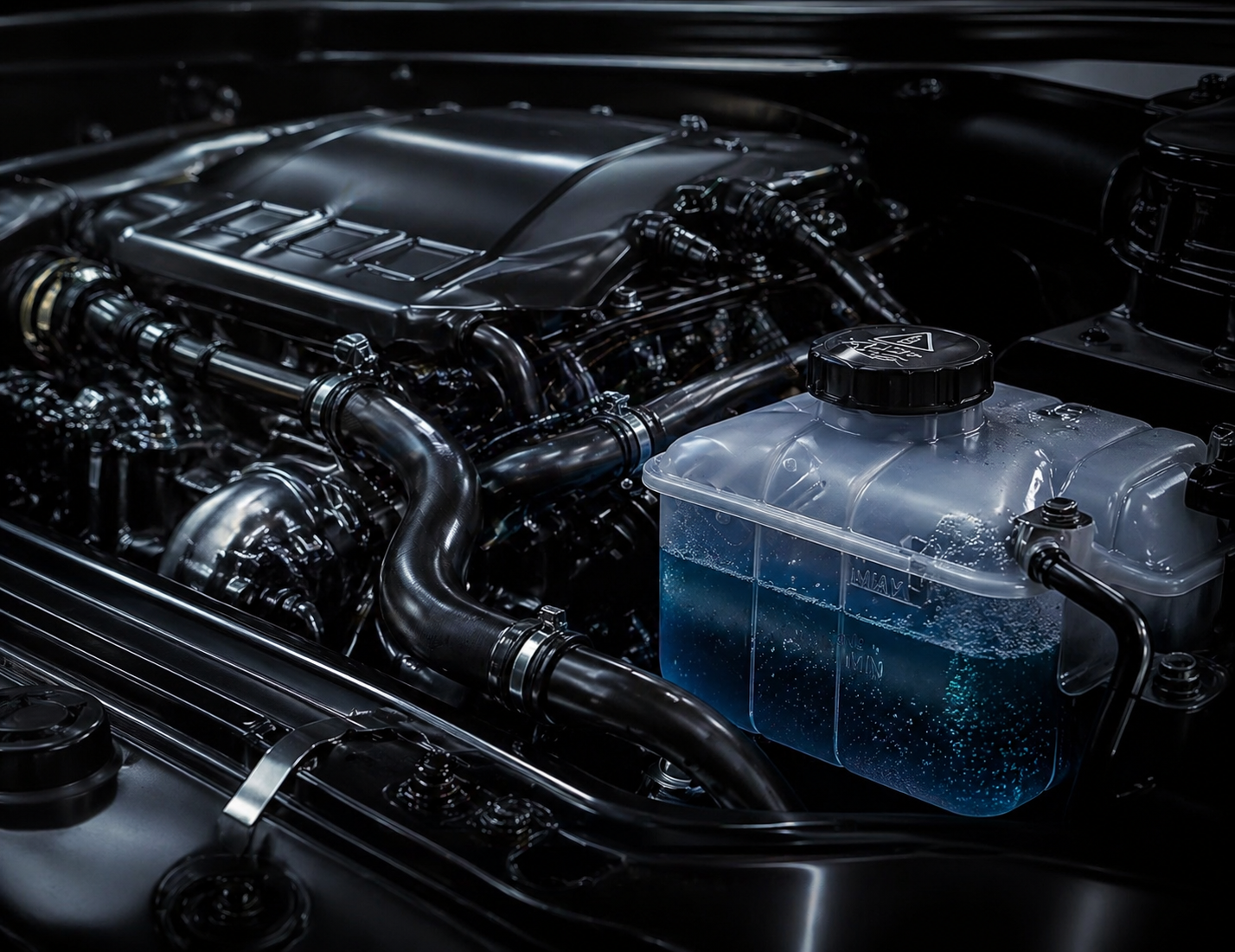
Engine cooling systems play a critical role in maintaining optimal operating temperatures, preventing overheating, and protecting internal components. The performance of these systems depends heavily on the quality and type of coolant used. Selecting the correct coolant is essential for ensuring system efficiency and long-term durability.
What Does Coolant Do?
Coolants are engineered heat transfer fluids designed to:
- Regulate engine temperature
- Prevent freezing and boiling
- Protect against corrosion
- Maintain system cleanliness
Modern coolant formulations must perform consistently across a wide range of operating conditions.
Types of Coolant Technologies
1. IAT (Inorganic Additive Technology)
Traditional coolant technology providing reliable corrosion protection, typically used in older vehicle systems.
2. OAT (Organic Acid Technology)
Modern extended-life coolant offering improved corrosion resistance and longer service intervals.
3. HOAT (Hybrid Organic Acid Technology)
Combines the benefits of IAT and OAT, delivering balanced protection and durability.
Key Performance Factors
1. Thermal Stability
Coolant must efficiently transfer heat under both low and high operating temperatures.
2. Corrosion Protection
Protects critical components such as radiators, water pumps, and engine blocks from corrosion.
3. Freeze and Boil Protection
Ensures reliable operation in both cold and high-temperature environments.
4. Service Life
Extended-life coolants reduce maintenance frequency and operational costs.
Risks of Using Incorrect Coolant
Using the wrong coolant can lead to:
- Overheating
- Corrosion damage
- Deposit formation
- Reduced system efficiency
Correct coolant selection is essential for system protection and performance.
Recommended Lubenta Solutions
Lubenta offers the THERMEXA coolant range, engineered for reliable thermal management and long-term system protection:
- THERMEXA OAT Coolant – Long-life formulation for modern engines, providing extended corrosion protection and thermal stability
- Available in concentrate and premixed formats for flexible application
Conclusion
Efficient cooling system performance depends on selecting the correct coolant technology and maintaining proper system conditions. High-quality coolant plays a vital role in protecting engine components, ensuring thermal stability, and supporting long-term operational reliability.